
New research explores student and parent perspectives on study abroad

- Different families have their own unique experiences of the pandemic, and factors affecting study abroad decisions vary widely as a result
- Establishing strong connections with current students and local agents can help to more clearly understand families’ and prospective students’ needs and priorities
The pandemic has affected families, and students, in entirely different ways. Some have become financially worse off, while others have become wealthier. Some have become more safety-conscious, and some – yearning to leave behind what some have termed the “lost years” of COVID – have become less so, finding themselves even more adventurous than they were before the pandemic.
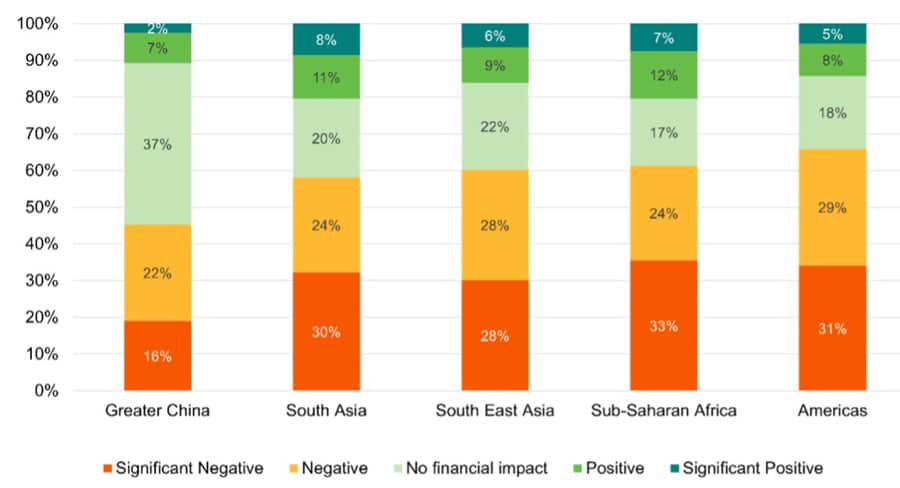
Whatever their circumstances, many parents have even more reason to want their children to study abroad than they did before COVID changed the world. A of over 1,000 agents in more than 70 countries revealed that agents are working with a wide spectrum of families: some families have had their finances negatively affected by the pandemic, some have not been affected, and some have become more financially secure. Of the research, Jon Chew, Navitas’ Head of Strategic Insights and Analytics, points out that while of course wealthier families will find it easier, financially, to send their children abroad, those who have become less well-off might be doubly driven to send their children overseas for schooling:
“In fact, it is reasonable to expect that those who have had a difficult time during the pandemic might be more motivated to study abroad in order to improve their circumstances. The pandemic could thus have the effect of amplifying aspirations and ambitions.”
Mr Chew also mentions other possible new motivations for study abroad:
“Another driver … might stem from the psychological scarring of living through COVID in lockdown, without a strong government safety net, and with uncertain access to reliable healthcare. In the same way that economic security has historically been a driver for studying abroad, health security could well be a new reason for the COVID generation to pursue opportunities and life elsewhere.”
Mr Chew’s point about health security is borne out by a 2021 survey of 5,000 Indian students conducted by education platform . More than 7 in 10 (71%) of the survey participants said that “better healthcare infrastructure” was a key reason driving them to look for opportunities abroad. Akshay Chaturvedi, Leverage Edu founder & CEO, attributed the finding to a greater appreciation among students for the quality of a country’s healthcare system after India suffered such devastation from the Delta variant:
“Access to early vaccinations, as well as basics like healthcare infrastructure, quality of air we breathe, previously little-understood points, have gained a lot of relevance post the second wave in India.”
Yet another new “push” factor that may affect international student mobility is parents’ drive to repair the damage COVID has inflicted on their children’s education. among more than 20,000 adults in 29 markets confirms a high degree of parental worry about their children's future tied to the fact that schooling was so drastically interrupted in 2020 and throughout parts of 2021. (Even now, absenteeism among students and teachers remains a persistent problem as the Omicron and related variants remain disruptive, if not as lethal.)
The Ipsos research, conducted in May and June of 2021, found that globally, over a third (35%) of people felt that “children will be unable to make up for missed formal education resulting in worse qualifications.” Another 30% felt that “young people will face higher unemployment rates and lost earnings in the future,” and this rose to 56% in South Africa.
The significant proportions of people expressing worry about children’s interrupted education carries with it several implications for international educators:
- Providing strong academic, language, and mental health supports for new international students is absolutely key as many students will have had inconsistent education in the past two years;
- Developing a strong parental outreach program is also highly important, as parents will need more reassurance that their children are safe, supported, and studying in an environment that allows them to flourish in their studies;
- Establishing internships and industry linkages to enable students to gain work experience while studying abroad is an excellent way to highlight the value of a programme;
- Making sure the institutional website clearly presents graduate outcomes, scholarships, and working opportunities (while studying and after) is essential.
In addition, the new pressures and concerns facing international students’ families suggests that:
- Strengthening career services departments should be a top priority for colleges and universities;
- Incorporating live chat and other ways to quickly respond to questions and confusion for students and parents browsing the institutional website should also be a priority;
- Gathering on-the-ground feedback from agents and current students about the real circumstances affecting families they know in key markets is a must.
Overall, the research underlines that barriers to, and drivers of, study abroad are unique according to where in the world students live and what kind of pandemic experience their families have had. Taking the time to have personal conversations with students, agents, and families will in their own way be as important as sophisticated digital campaigns when it comes to assuring families that deciding to study abroad with your institution is worth the investment.
For additional background, please see:







